
Walking is one of the easiest ways to explore your local area. You do not need expensive equipment, special training, or a detailed itinerary to get started. A simple route through a neighborhood, park, or nearby trail can help you notice places you usually pass by without a second thought.
The key is choosing a route that matches your time, energy, and experience. With a little planning, you can find walks that are enjoyable, practical, and easy to repeat.
Start With Your Walking Goals
Before choosing a route, think about what you want from your walk. Different goals may lead you to very different places.
You might want to:
– Take a short break during the day
– Explore local parks or historic areas
– Walk somewhere instead of driving
– Spend time outdoors with family or friends
– Enjoy quiet scenery
– Build a regular walking habit
– Practice using maps and navigation tools
There is no single best type of walking route. A 15-minute walk around nearby streets can be just as useful as a longer trail through the countryside. Start with something realistic, then expand your options as you become more familiar with your area.
Look for Routes Close to Home
The easiest route to maintain is often one that begins near your front door. You may already have several walking options nearby without realizing it.
Look for:
– Sidewalks and residential streets
– Local parks and public gardens
– School tracks that are open to the public
– Greenways and shared-use paths
– Waterfront paths
– Historic districts
– Nature preserves
– Shopping areas with pedestrian-friendly streets
– Trails around libraries, community centers, or public buildings
Online map services can help you identify streets, paths, parks, and public spaces. You can also check your city or county website for walking maps, trail guides, and recreation information.
Local walking groups, visitor centers, and community organizations may also suggest popular routes. Asking neighbors or friends can be helpful because they may know about quiet paths or scenic areas that are not easy to find online.
Choose the Right Route Length
A route does not have to be long to be worthwhile. For beginners, shorter walks are often the best way to build confidence and learn what you enjoy.
Consider these approximate starting points:
– 10 to 20 minutes: A quick neighborhood loop
– 20 to 40 minutes: A park visit or longer local walk
– 45 to 90 minutes: A more complete exploration of nearby trails or streets
– Two hours or more: A planned day walk with breaks and supplies
When estimating distance, remember that map time estimates may not match your actual pace. Hills, traffic crossings, crowded paths, photo stops, and unfamiliar surroundings can all make a walk take longer.
It is usually better to plan a route that is slightly shorter than your maximum ability. Finishing comfortably can make you more likely to walk again.
Check the Surface and Terrain
Not all walking routes feel the same. A flat sidewalk is very different from a narrow trail with hills, tree roots, or loose gravel.
Before setting out, check whether the route includes:
– Paved sidewalks
– Dirt or gravel paths
– Steep hills
– Stairs
– Uneven ground
– Narrow bridges
– Busy road crossings
– Areas that may become muddy after rain
If you are new to walking, begin with a flat, well-marked route. Parks with loop paths are often a good choice because they make it easy to shorten or extend your walk. Once you are comfortable, try routes with more varied surfaces and gentle hills.
Plan for Safety and Comfort
A little preparation can make a local walk much more enjoyable. Check the weather before leaving and dress for the conditions. Comfortable shoes with good support are usually more important than specialized clothing.
Depending on the route and season, you may want to bring:
– Water
– A phone
– A small snack
– Sunscreen
– A hat
– A light jacket
– Insect repellent
– A simple map or downloaded route
Stay aware of your surroundings, especially near roads, driveways, parking areas, and shared paths. Follow posted signs and local rules. If a path is marked for both walkers and cyclists, keep to the appropriate side and allow others to pass safely.
For a longer or unfamiliar walk, let someone know where you are going and when you expect to return. If you are walking alone, choose routes with reliable phone service and avoid entering areas that are closed or poorly marked.
Use Maps Without Overcomplicating Things
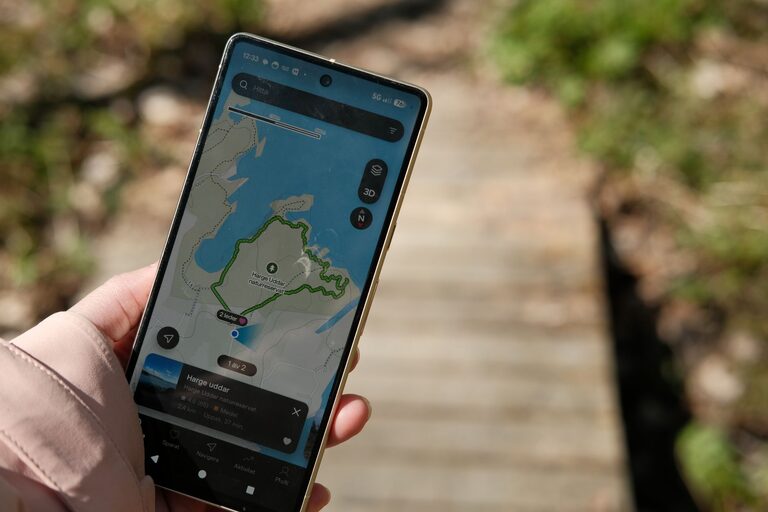
You do not need advanced navigation skills to plan a local walking route. A basic map can show the route length, nearby roads, parks, and points where you can turn around.
When reviewing a route, look for:
– A clear starting point
– A simple destination or loop
– Safe places to cross roads
– Rest areas or benches
– Water fountains or public facilities
– Alternative exits
– A way to shorten the route if needed
If using a phone, download the map before leaving when possible. This is useful in areas with weak service. You can also take a screenshot of the route so you can refer to it without opening the app repeatedly.
For your first few walks, choose routes that are easy to follow. A loop is often more interesting than walking out and back, but an out-and-back route can be easier to manage if you are unsure how long you want to stay out.
Make Your Walk More Interesting
A familiar route can feel new when you give yourself something to notice. Try focusing on one detail during each walk.
You could look for:
– Local trees and flowers
– Birds and other wildlife
– Interesting buildings
– Public art
– Community gardens
– Seasonal decorations
– Views that change throughout the year
– New businesses or construction
– Historic signs and landmarks
You might also create a simple walking challenge, such as visiting three different parks or finding a new street each weekend. Taking occasional photos can help you remember routes and track seasonal changes.
If you walk with children, turn the outing into a small search game. Ask them to find a particular color, shape, plant, or type of vehicle. For friends or family members, choose a destination such as a café, bookstore, market, or scenic viewpoint.
Build a Local Walking List
After each walk, make a note of what you liked and what you would change. Record the route length, surface, scenery, and useful stops.
A simple list might include:
– A quick weekday route
– A quiet route for weekends
– A scenic route for visitors
– A rainy-day route with covered sections
– A family-friendly route
– A longer route for special occasions
Over time, this list becomes your personal guide to the area. You will know which paths are best at different times of day and which routes work well in different seasons.
Start Small and Keep Exploring
The best local walking route is one you will actually enjoy using. Begin with a short, familiar path, prepare for the conditions, and pay attention to how the route feels. As your confidence grows, explore new parks, neighborhoods, and trails.
Walking gives you a chance to move at a comfortable pace while seeing your surroundings from a different perspective. With a map, comfortable shoes, and a little curiosity, your local area can provide countless routes to discover.