
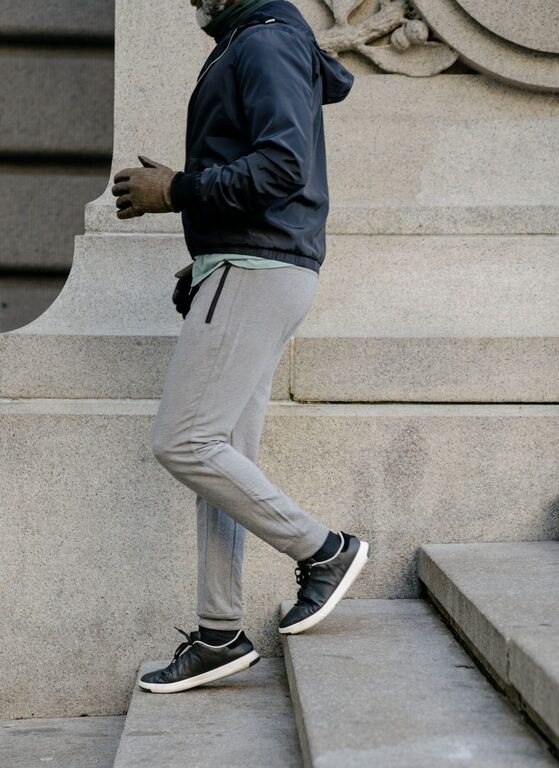
Choosing comfortable shoes for daily activities can make a noticeable difference in how you move through the day. The right pair should feel good during common tasks such as walking, commuting, shopping, working, or standing for long periods.
Comfort is not based on appearance alone. A stylish shoe may still feel uncomfortable if it does not fit well or suit your routine. By looking at a few important details before buying, you can choose footwear that feels supportive, practical, and easy to wear.
Consider How You Will Use the Shoes
Start by thinking about your typical day. Shoes for office work may need to look polished, while shoes for errands or walking may need more flexibility and cushioning. If you move between indoor and outdoor spaces, durability and weather resistance may also matter.
Ask yourself:
– How many hours will I wear the shoes?
– Will I mostly walk, stand, or sit?
– Will I wear them indoors, outdoors, or both?
– Do I need to wear them with socks?
– Will I use them in warm, cold, wet, or changing weather?
– Do they need to match casual or professional clothing?
A shoe designed for one activity may not be comfortable for another. For example, a lightweight casual shoe may work well for short errands but offer less comfort during a full day on your feet.
Focus on the Fit
A good fit is one of the most important parts of shoe comfort. Shoes should feel secure without being tight. Your toes should have enough room to move, and your heel should stay in place as you walk.
When trying on shoes, check the following:
– Your toes should not touch the front of the shoe.
– The widest part of your foot should rest comfortably in the widest part of the shoe.
– Your heel should not slide up and down excessively.
– The shoe should not pinch the sides of your foot.
– Fasteners should hold the shoe securely without creating pressure points.
Try on both shoes because your feet may not be exactly the same size. Walk around the store or your home for several minutes. Notice whether the shoes remain comfortable while standing, turning, and taking longer steps.
It is also helpful to try shoes later in the day. Feet can change slightly in size after hours of normal activity, so a pair that feels comfortable only in the morning may become too tight later.
Choose the Right Amount of Room
Many people focus on shoe length but overlook width and shape. A shoe can be long enough while still feeling narrow or restrictive.
Look for a toe box that allows natural movement without letting your foot slide around. Your toes should not be pressed together or forced into an unusual position. If you prefer thicker socks, leave additional room when trying on shoes.
Avoid relying on the idea that shoes will become comfortable after a long break-in period. Some materials may soften with use, but shoes that pinch, rub, or cause pressure when new may remain uncomfortable. A comfortable fit should begin on the first wear.
Check the Sole and Cushioning
The sole affects how shoes feel on different surfaces. A well-designed sole can make walking easier and provide a stable connection with the ground.
Look for:
– Cushioning that feels comfortable rather than overly soft
– A sole with enough thickness for the surfaces you use
– A tread pattern that provides a secure grip
– A design that bends naturally near the front of the foot
– A stable base that does not twist too easily
More cushioning is not always better. Some people prefer a soft, padded feel, while others like a firmer and more stable sole. Walk on several surfaces if possible, such as tile, carpet, or pavement, to see how the shoes respond.
The sole should also match your routine. Shoes for indoor work may not need deep tread, while shoes used outdoors may benefit from a more durable and textured bottom.
Look for Comfortable Materials
Materials influence breathability, flexibility, weight, and durability. Choose materials that suit the weather and the amount of time you plan to wear the shoes.
Common options include:
– Mesh: Lightweight and breathable, often useful in warm weather
– Leather: Durable and adaptable, though it may need some care
– Canvas: Light and casual, but less protective in wet conditions
– Synthetic materials: Available in many styles and often easy to clean
– Water-resistant fabrics: Helpful for light rain and changing weather
The inside of the shoe matters too. Check the lining for rough seams, stiff edges, or areas that could rub against your skin. A smooth, breathable interior can make shoes more pleasant during long periods of wear.
Pay Attention to Flexibility
Daily shoes should move naturally with your feet. Try bending the shoe gently at the front. It should flex in a controlled way without collapsing completely.
A shoe that is too stiff may feel restrictive during walking. One that is too flexible may not provide enough stability for your routine. The right balance depends on the activity, the shoe design, and your personal preference.
Also check the shoe’s overall weight. Heavy footwear may become tiring during a busy day, while extremely lightweight shoes may not offer the durability or structure you need.
Select a Practical Fastening System
The way shoes fasten can affect both comfort and convenience. Laces allow you to adjust the fit across different parts of the foot. Slip-on shoes are quick to put on but should still hold the heel securely.
Other options include:
– Adjustable straps
– Elastic panels
– Hook-and-loop fasteners
– Zippers
– Combination closures
Choose a fastening system that fits your daily routine. If you frequently remove your shoes, slip-ons may be convenient. If you need a more precise fit, adjustable laces or straps may be a better choice.
Test Shoes Before Buying
Whenever possible, shop at a store where you can walk around before making a decision. Wear the type of socks you normally plan to use with the shoes. If you use inserts, bring them along and check that they fit comfortably.
Try a few simple movements:
- Walk at your usual pace.
- Turn in different directions.
- Stand still for several minutes.
- Bend slightly and take longer steps.
- Check for rubbing, slipping, or pressure.
If buying online, review the size chart, return policy, and customer comments. Shoe sizes can vary between brands, so compare measurements rather than relying only on your usual size.
Think About Maintenance and Durability
Comfort also depends on how well shoes hold up over time. Examine the stitching, sole attachment, and overall construction. A durable pair is more likely to keep its shape and support during regular use.
Follow the care instructions provided by the manufacturer. Allow shoes to air out between wears, clean them with suitable products, and avoid exposing materials to conditions they are not designed to handle.
Having more than one pair for daily use can also help each pair last longer. Rotating shoes gives materials time to dry and recover between wears.
Choose Comfort Over Trends
Fashion can be part of the decision, but comfort should come first for shoes you plan to wear regularly. A versatile design in a neutral color may work with more outfits and become a reliable part of your wardrobe.
The best everyday shoe is one that fits your feet, suits your schedule, and feels comfortable throughout normal activities. Take time to compare different styles, test the fit, and consider how the shoes will perform in real situations. A thoughtful choice can make daily walking and standing feel much easier.