
Staying active after 50 does not have to mean intense workouts or competitive sports. Many outdoor activities offer a gentle way to move, enjoy nature, and spend time with friends and family. Low impact activities place less stress on the joints while still encouraging regular movement, balance, strength, and flexibility.
The best activity is one you enjoy and can do consistently. Whether you prefer a quiet walk, a morning in the garden, or a relaxed bike ride, outdoor movement can become a rewarding part of your routine.
Why Choose Low Impact Outdoor Activities?
Low impact activities usually involve smooth, controlled movements and less pounding on the body than running or jumping. They can be adapted to different fitness levels and performed at a comfortable pace.
Outdoor activities also offer benefits beyond physical movement. Time outside can provide a change of scenery, encourage social connection, and make exercise feel less like a chore. A regular outdoor routine may be easier to maintain when it includes something enjoyable, such as a favorite trail, a scenic park, or a pleasant conversation.
Before starting a new activity, consider the surface, weather, footwear, and pace. Begin gradually and choose options that feel comfortable for your current abilities.
1. Walking in Parks or Nature Areas
Walking is one of the simplest ways to stay active outdoors. It requires little equipment and can be adjusted to match your energy level. A flat neighborhood route may be a good choice for a relaxed outing, while a paved park trail can offer more variety.
Try these ideas to keep walking interesting:
– Explore a different local park each week.
– Walk with a friend or join a community walking group.
– Use a comfortable pace that allows you to speak easily.
– Include short stops to enjoy scenery, birds, or architecture.
– Choose shorter walks more often instead of one long outing.
If you are returning to regular activity, start with a manageable distance and add time slowly. Comfortable shoes and a safe, well-maintained path can make the experience more enjoyable.
Make Walking More Engaging
A simple walk can become a nature outing, photography trip, or local history tour. Look for seasonal changes, visit a farmers market, or plan a route that includes a favorite café or library. Adding a purpose can make regular walking feel more meaningful.
2. Cycling on Easy Trails
Cycling can provide steady movement while reducing the amount of weight placed on the legs compared with walking. Paved greenways, quiet streets, and flat recreational trails are often suitable for relaxed rides.
A comfortable bicycle setup is important. The seat should support an upright position, and the handlebars should be easy to reach without straining. A helmet, reflective clothing, and front and rear lights can help improve visibility.
To keep rides manageable:
– Choose flat routes with places to stop.
– Begin with a short ride at an easy pace.
– Avoid busy roads until you feel confident.
– Bring water and check the weather beforehand.
– Ride with a companion when possible.
For variety, consider a bicycle tour of nearby neighborhoods or a casual ride to a park. An electric bicycle may also be an option for riders who want assistance on hills, provided they follow local rules and feel comfortable handling the bike.
3. Gardening and Yard Work
Gardening combines outdoor movement with a useful and creative hobby. Digging, planting, watering, weeding, and pruning can involve light activity throughout the day. It also offers the satisfaction of caring for plants and improving an outdoor space.
Use tools with comfortable handles and keep frequently used items within easy reach. A raised garden bed, container garden, or vertical planter can reduce the need to bend for long periods. Alternating tasks can help prevent fatigue.
For a gentle gardening session:
- Start with a few minutes of easy movement.
- Work in short blocks with regular breaks.
- Use a kneeling pad or garden seat when needed.
- Lift smaller amounts instead of carrying heavy loads.
- Drink water and take breaks in hot weather.
Gardening does not need to be intensive. Planting herbs in containers or caring for flowers on a balcony can provide an outdoor routine even with limited space.
4. Outdoor Swimming and Water Exercise
Swimming and water exercise offer smooth, low impact movement. The water supports the body and can make activities such as walking, stretching, or gentle aerobics feel more comfortable.
Outdoor pools, community recreation centers, and calm waterfront areas may offer different opportunities. If you swim, choose a pace that feels relaxed and take breaks as needed. Water walking is another option for people who prefer not to swim laps.
For a more social experience, look for beginner-friendly water exercise classes or open swim times. Follow posted safety guidelines, use a supervised facility when possible, and avoid swimming alone in unfamiliar areas.
5. Golf and Practice Range Activities
Golf can encourage walking, balance, and coordination while providing time outdoors. You do not have to play a full 18-hole round to enjoy the activity. A shorter course, putting practice, or a visit to a driving range can provide a more manageable option.
Consider using a pull cart or riding cart when appropriate, and choose a course that matches your comfort level. Walking a few holes or practicing at a nearby putting green can be a pleasant way to stay active without committing to a long outing.
Golf is also a social activity. Playing with friends or joining a casual group can add motivation and make regular participation more enjoyable.
6. Pickleball, Bocce, and Other Gentle Games
Some outdoor games combine light movement with friendly competition. Bocce, croquet, shuffleboard, and modified versions of pickleball can be adapted to different spaces and skill levels.
When trying a new game, begin with shorter sessions and focus on learning the basic movements. Choose a court or playing area with a stable surface, and take breaks between rounds. Many groups welcome beginners and can explain the rules in a relaxed setting.
The social side of these activities can be just as valuable as the movement. A regular game provides a reason to get outside and connect with others.
7. Outdoor Stretching and Balance Practice
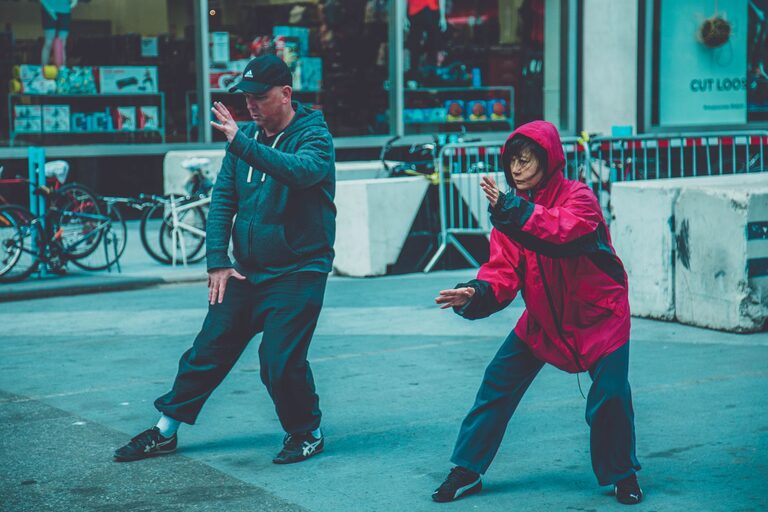
A quiet outdoor space can be a pleasant setting for gentle stretching and balance exercises. A porch, patio, or grassy area near your home may be all you need.
You might include:
– Shoulder and arm movements
– Gentle leg stretches
– Easy torso rotations
– Standing balance practice near a stable support
– Slow breathing between movements
Move gradually and avoid forcing any position. If an exercise causes pain, stop and choose a more comfortable movement. A qualified instructor can help you learn safe techniques, especially if you are new to balance practice.
Build a Sustainable Outdoor Routine
Consistency matters more than intensity. Start by choosing one or two activities that fit your schedule and surroundings. For example, you might take a 20-minute walk three mornings a week and spend one afternoon gardening.
Helpful strategies include:
– Put outdoor activities on your calendar.
– Keep shoes and equipment ready near the door.
– Invite a friend or family member.
– Set flexible goals based on time rather than distance.
– Have an indoor alternative for poor weather.
– Celebrate regular participation instead of speed or performance.
Pay attention to the conditions around you. Wear suitable clothing, protect yourself from the sun, and plan outings during comfortable parts of the day. Bring water for longer activities and let someone know your route when exploring a new area.
Enjoy the Process
Outdoor activity after 50 can support an active, connected, and enjoyable lifestyle without requiring high-impact workouts. Walking, cycling, gardening, swimming, golf, and gentle games all provide ways to move at your own pace.
Choose activities that make you look forward to going outside. With realistic goals, comfortable equipment, and regular breaks, outdoor movement can become a lasting part of everyday life.