A weekend in nature does not need a packed schedule, expensive equipment, or a long list of destinations. With a few practical decisions, you can create a relaxing trip that feels easy from the start.
The goal is not to see everything or complete the most challenging trail. It is to spend meaningful time outside without turning the planning process into another source of stress. Whether you are traveling alone, with friends, or with family, a simple plan can leave room for rest and unexpected discoveries.
Start With One Clear Goal
Before choosing a location, decide what you want from the weekend. A clear goal makes every other choice easier.
You might want to:
– Take short walks and enjoy quiet scenery
– Spend time near a lake, river, or beach
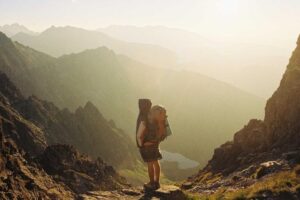
– Try an easy hike
– Photograph plants, landscapes, or wildlife from a safe distance
– Read, sketch, or relax outdoors
– Spend a night camping or stay in a nearby room
Choose one main purpose and one or two optional activities. For example, your main goal could be exploring a forest trail, with a picnic and stargazing as optional plans. This approach prevents the weekend from becoming a race between different attractions.
Choose a Convenient Destination
The best nature trip is often closer than you think. A nearby park, forest, preserve, or campground can provide plenty of fresh air without requiring hours of travel.
When comparing locations, consider:
– Driving time and road conditions
– Opening hours and entry requirements
– Restrooms and water access
– Parking availability
– Trail length and difficulty
– Cell service, if it matters to your group
– Weather patterns and seasonal conditions
– Rules about fires, pets, swimming, or camping
A destination within a two-hour drive is often a good choice for a weekend. Shorter travel leaves more time for exploring and makes the trip easier to manage if plans change.
Check the official website or local information source before leaving. Look for recent notices about closures, construction, permits, or limited facilities. A few minutes of research can prevent avoidable problems.
Keep the Itinerary Flexible
A simple itinerary should guide the weekend, not control every minute. Plan only the parts that need planning, such as transportation, lodging, and any required reservations.
A flexible schedule might look like this:
Saturday
– Morning: Travel to the destination
– Late morning: Settle in and take an easy walk
– Afternoon: Have lunch and explore a second nearby area
– Evening: Enjoy a simple meal and relax
Sunday
– Morning: Take a short hike or visit a scenic viewpoint
– Midday: Pack up and have lunch
– Afternoon: Travel home with time for a brief stop
Leave open space between activities. You may want to stay longer at a viewpoint, take a slower path, or rest after traveling. A relaxed schedule also works better for groups with different energy levels.
Pack for Comfort, Not Every Possibility
Overpacking can make a short trip feel complicated. Focus on items that support safety, comfort, food, and changing conditions.
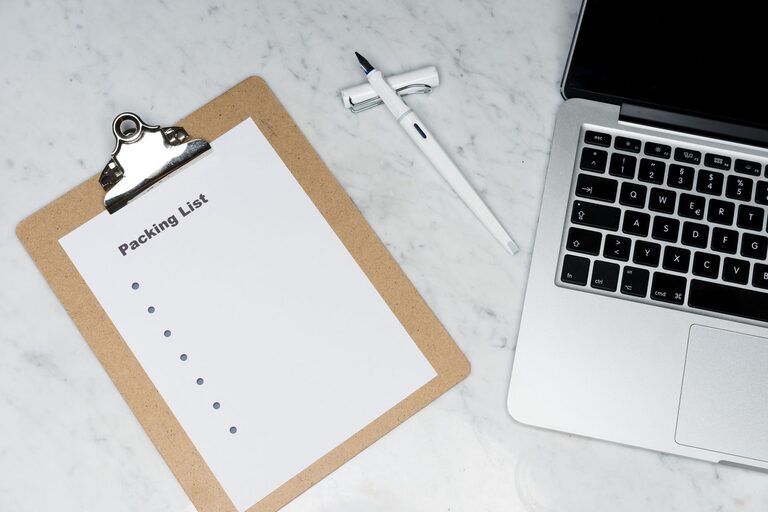
A basic day-trip packing list may include:
– Comfortable, weather-appropriate clothing
– Sturdy shoes with good traction
– A lightweight rain layer
– Water bottle or water container
– Simple snacks
– Sunscreen and insect repellent
– A small first aid kit
– Map or downloaded directions
– Phone and portable charger
– Small bag for trash
– Hat or extra warm layer
For an overnight trip, add sleeping equipment, toiletries, meals, and any items required by your lodging or campsite. Pack clothing in layers rather than bringing several complete outfits. Layers are easier to adjust when the temperature changes.
A small backpack is usually enough for a day outdoors. If you are carrying more than you can comfortably manage, review the list and remove items that are unlikely to be used.
Plan Food the Easy Way
Meals do not need to become a separate project. Choose food that travels well, requires little preparation, and creates minimal cleanup.
Good options include:
– Sandwiches or wraps
– Fresh fruit
– Trail mix or granola bars
– Cut vegetables
– Cheese and crackers
– Prepared salads
– Pasta or grain dishes
– Instant oatmeal for a simple breakfast
Use reusable containers when possible, and bring enough water for the activities you have planned. If you expect to refill water, confirm that the location has a reliable source and whether treatment is required.
For camping, consider making one meal at home before leaving. You can also prepare ingredients in advance, such as washing vegetables or portioning snacks. Simple meals give you more time to enjoy the surroundings.
Always follow local rules for food storage and waste. Keep food secured when required, and pack out everything you bring in.
Choose Activities at Different Energy Levels
A weekend feels more enjoyable when every activity does not require the same amount of effort. Include a mix of movement and rest.
For example, your plan could include:
– A short, easy trail
– A longer walk for those who want more activity
– A scenic area for sitting and taking photos
– A picnic or outdoor meal
– Birdwatching or nature journaling
– A quiet evening at your lodging or campsite
If you are traveling with a group, agree in advance that people do not have to join every activity. Some may prefer a longer hike, while others may want to read or relax. Having separate options keeps the trip comfortable for everyone.
Stay on marked paths and follow posted guidance. Avoid approaching wildlife, picking plants, or entering restricted areas. Responsible choices help protect natural places and make them enjoyable for future visitors.
Prepare a Simple Backup Plan
Outdoor plans can change because of rain, heat, trail conditions, transportation delays, or low energy. A backup plan does not need to be elaborate.
Consider identifying:
– A shorter nearby trail
– An indoor visitor center or local attraction
– A scenic drive
– A cafe or market in a nearby town
– A comfortable place to rest
– An earlier departure time
You can also bring a few low-effort activities, such as a card game, book, notebook, or camera. The purpose of a backup plan is not to replace the trip. It simply gives you another way to enjoy the weekend when the original plan is no longer practical.
Check the forecast before leaving and again on the morning of each outdoor activity. Be willing to adjust your schedule when conditions are unsuitable.
Share the Basics With Someone
If you are traveling alone or visiting a remote area, tell a trusted person where you are going and when you expect to return. Share the location of your lodging or campsite, your general route, and a contact number if available.
Keep your phone charged, but do not depend on cell service. Download maps in advance and carry any information you may need offline. If you are hiking, note the trailhead location and expected distance before starting.
These small steps are easy to complete and can make the trip more comfortable for you and anyone waiting for your return.
Focus on the Experience
The simplest nature trips often become the most memorable. You do not need to visit several locations, complete a difficult trail, or document every moment.
Choose a convenient destination, pack the essentials, plan one or two meaningful activities, and leave room for rest. A little preparation can help you feel ready without taking away from the peaceful quality that drew you outdoors in the first place.
When the weekend is over, you may remember a quiet morning, a favorite view, or a shared meal more than anything on a detailed schedule. That is the value of keeping a nature trip simple.