
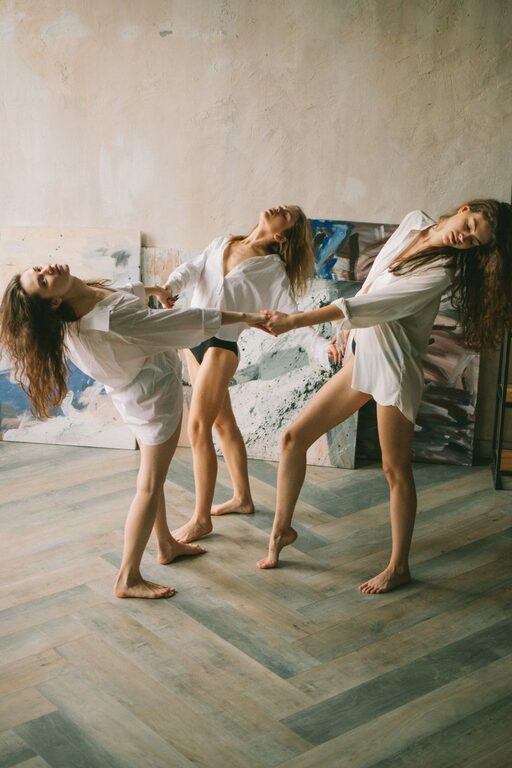
Finding a hobby that combines creativity with gentle movement can make free time feel more rewarding. These activities encourage you to use your hands, shift your position, explore your surroundings, or move along with music while creating something personal.
You do not need special skills or expensive equipment to get started. Many of these hobbies can be adjusted to suit your space, schedule, and comfort level. The goal is not to perform perfectly, but to enjoy the process of making, moving, and learning.
Why Combine Creativity With Movement?
Creative hobbies often involve more than sitting still. Painting may require reaching and standing, gardening can include walking and lifting light tools, and photography may lead you outdoors to explore new places.
Gentle movement can also add variety to creative time. Instead of staying in one position for a long session, you may naturally change positions, walk around, or follow a simple rhythm. This can make the hobby feel lively without turning it into a demanding workout.
When choosing an activity, consider:
– Whether you enjoy working with your hands, music, nature, or images
– How much space and equipment you have
– Whether you prefer indoor or outdoor hobbies
– How much time you want to spend on each session
– Which movements feel comfortable and manageable for you
1. Gardening and Container Planting
Gardening is a creative way to spend time outdoors while moving at a relaxed pace. You can design a small flower bed, grow herbs in containers, or arrange indoor plants on a shelf.
The creative side comes from choosing colors, textures, plant combinations, and containers. You can also decorate plant markers, paint pots, or create a themed collection, such as a windowsill herb garden.
Gentle movement may include:
– Walking between plants
– Reaching for leaves and flowers
– Scooping soil into small containers
– Watering plants
– Arranging pots and garden decorations
If you have limited outdoor space, try container gardening on a balcony, patio, windowsill, or sturdy table. Begin with a few easy-care plants and add more as your interest grows.
2. Pottery and Air Dry Clay
Working with clay is a hands-on hobby that invites experimentation. You can shape small bowls, simple figures, ornaments, trays, or decorative tiles. Air-dry clay is a convenient option for beginners because it does not require a kiln.
Although clay work is often done seated, it can include gentle movement when you gather supplies, change work surfaces, clean your tools, or move around a larger project. You can also alternate between sitting and standing while shaping your creation.
Try starting with small projects such as:
– Pinch pots
– Clay beads
– Plant labels
– Wall decorations
– Small animal figures
The finished item does not need to look perfect. Fingerprints, uneven edges, and small variations can give handmade pieces character.
3. Nature Photography
Photography encourages you to notice details in everyday surroundings. You can use a smartphone or a basic camera to capture leaves, buildings, clouds, flowers, textures, or interesting patterns.
The movement comes naturally as you walk around looking for subjects. You might photograph a nearby park, explore a quiet street, or create a collection of images in your own home.
Set a simple creative challenge, such as:
– Photograph five different shades of green
– Find repeating patterns
– Capture interesting shadows
– Take pictures of seasonal details
– Create a photo series about doors, windows, or signs
You can edit your images later, organize them into a digital album, or print a few favorites for a scrapbook or display.
4. Gentle Dance and Creative Movement
Dance is a direct way to combine imagination with movement. You do not need choreography, special clothing, or a large room. Choose a few favorite songs and move in ways that feel natural.
Creative movement can include swaying, stepping from side to side, moving your arms, or creating simple patterns. You can dance alone, invite a friend, or follow a beginner-friendly class online.
To make the activity more creative, choose a theme:
– Move like falling leaves
– Create a dance inspired by ocean waves
– Match movements to different musical styles
– Build a short routine with three repeated steps
– Use scarves or ribbons as visual props
Keep the focus on expression and enjoyment. There is no need to memorize complicated steps or compare your movements with anyone else.
5. Watercolor Walks
A watercolor walk combines a short outing with sketching and painting. Bring a small notebook, a compact watercolor set, and a cup or water brush. Find a comfortable place to pause and paint something you notice.
You could paint a garden gate, a cup at a café, a tree, or a view from a bench. Walking between locations adds gentle movement, while painting gives you a reason to slow down and observe.
For an easy starting point, limit yourself to:
– Three colors
– Ten minutes per painting
– One small page
– Simple shapes instead of detailed drawings
You can also paint at home from photographs taken during your walk. This is a flexible option when you want the creative experience without going far.
6. Crafting With Music
Many crafts can become more active when paired with music. Try knitting, crochet, paper folding, beadwork, collage, or simple hand sewing while listening to a playlist.
During longer sessions, take natural breaks to stand, stretch gently, collect materials, or move to a different workspace. You might also create a craft project that involves arranging items around a room, such as a paper garland or a seasonal decoration.
Consider making:
– Greeting cards
– Fabric bookmarks
– Paper flowers
– Simple friendship bracelets
– Collages from old magazines
– Decorations for a desk or reading corner
Choose projects that match your experience level. A small finished item can provide a satisfying result without requiring a long commitment.
7. Recreational Walking and Sketching
Sketching while exploring gives a creative purpose to a relaxed walk. Carry a pencil and pocket notebook, and stop whenever something catches your attention.
You might draw a bench, a mailbox, a tree branch, or the outline of a building. Quick sketches are enough. The aim is to capture an impression rather than produce a polished artwork.
Try a few prompts:
– Draw one object in under two minutes
– Sketch only with lines
– Focus on shapes and shadows
– Draw the same view from different angles
– Add a short note about what you noticed
This hobby works well alone or as a shared activity with a friend or family member.
8. Creative Home Decorating
Rearranging a room can combine design, decision-making, and light movement. You might refresh a bookshelf, create a seasonal display, organize artwork, or make a small reading corner.
Start with one limited area rather than attempting to change an entire room. Gather items you already own, then experiment with color, height, texture, and spacing.
Ideas include:
– Creating a rotating display shelf
– Arranging framed photos
– Styling a plant corner
– Making a centerpiece from natural objects
– Reorganizing craft supplies by color
– Designing a welcoming entryway
Move items in small groups and take breaks as needed. The creative reward comes from seeing familiar objects in a new arrangement.
Making Time for a Creative Movement Hobby
A hobby is easier to enjoy when it fits naturally into your routine. Set aside 15 to 30 minutes a few times a week, or reserve a longer weekend session for projects that need more preparation.
Keep supplies visible and easy to reach. A small basket, tray, or shelf can make it simple to begin without a long setup. You can also keep a list of quick project ideas for days when you have limited time.
Most importantly, let the hobby remain enjoyable. Experiment with different activities, adjust the pace, and focus on curiosity rather than results. Whether you are planting herbs, painting outdoors, dancing to a favorite song, or making something by hand, creativity and gentle movement can make ordinary time feel more engaging.